


Sandpit
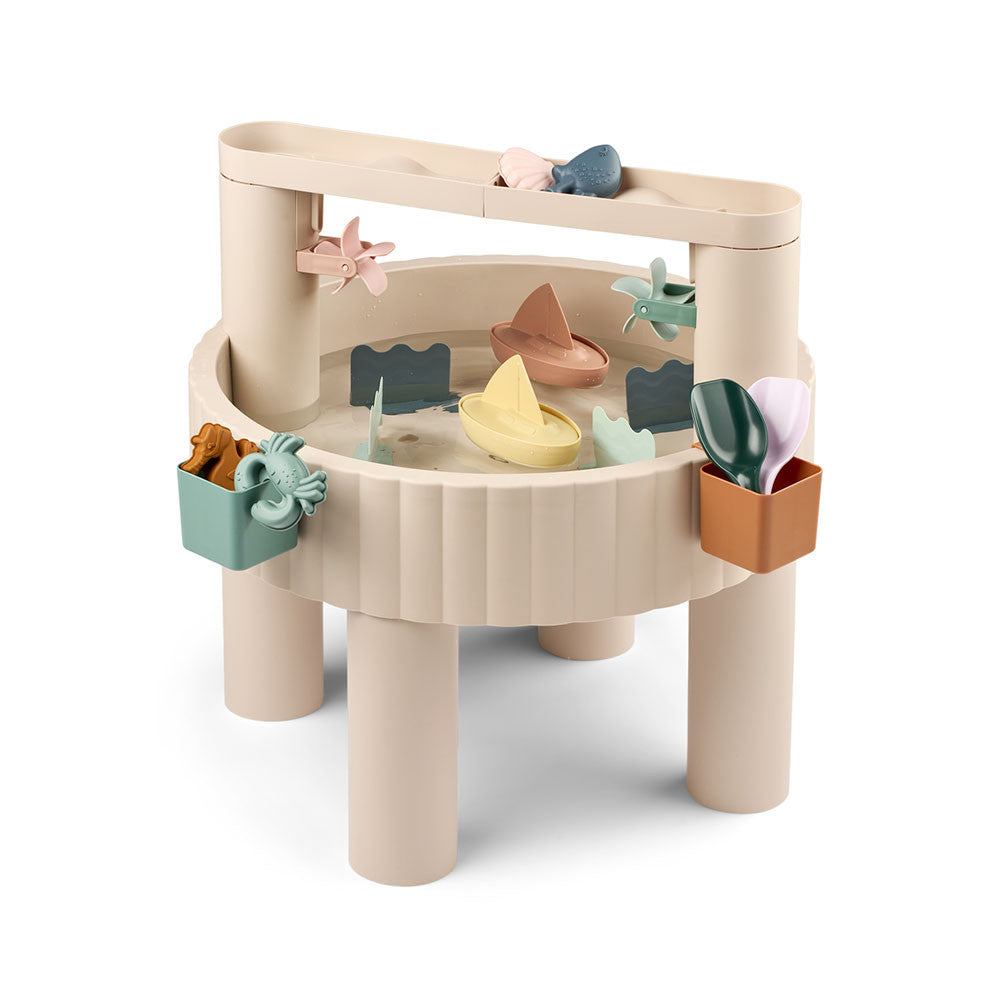
Positioning the sandbox correctly
A sandbox is the perfect place for imaginative play. Location matters: choose a spot in partial shade so the sand gets enough sun to kill germs while still protecting your child from excessive sun. Avoid placing it directly under trees because leaves and animal droppings can contaminate the sand. A canopy or awning provides extra UV protection.
Materials and safety
Wood is a natural, sturdy material for sandboxes and allows water to drain. Models made from FSC‑certified wood are durable and eco‑friendly. A weed‑control fleece under the sand prevents soil and sand from mixing and keeps insects out. A cover or net protects the sand from animal droppings. Regularly check the wood for splinters and tighten loose screws.
Play ideas and combinations
In the sandbox, children can build castles, bake sand cakes or create miniature landscapes. Add a small climbing and slide set or a swing for variety. For water games, use buckets and watering cans; in winter, the sandbox can store balls. With some beach shoes and a bucket, little builders feel like they are at the seaside.
Care and sustainability
Rake and aerate the sand regularly to prevent clumping. Remove leaves and debris promptly and replace the sand every two to three years. Inspect the weed fleece and renew it when necessary. Wooden models can be treated with eco‑friendly varnish to make them weather‑resistant. Choose sandboxes produced sustainably; this gives your child a durable play space.
Health and hygiene
Ensure children wash their hands after playing in the sandbox. Cover the sandbox when not in use to keep pets out. Regularly fluff the sand to keep it fresh. Teaching children to share toys and play cooperatively encourages social development. A well‑maintained sandbox offers endless hours of healthy outdoor fun.
Health benefits and social skills
Playing in the sand stimulates all senses: children feel the grains between their fingers, smell the fresh air and hear the rustling of the sand. Walking barefoot in sand strengthens foot muscles and balance. While playing together children learn to share buckets, take turns and complete a construction project together. These social skills are valuable for development and foster empathy and teamwork. Digging and scooping also train fine motor skills and strengthen arm and back muscles.
Sustainable choice and gift ideas
Sustainable sandboxes are made from local wood and treated without harmful paints. The sand should come from clean sources and be replaced regularly. A sandbox is also a great gift for the garden or balcony: in autumn it can be turned into a herb bed and in winter it can store garden tools. A sturdy lid keeps the sand clean, and with proper care the sandbox accompanies children for many years.
